Grief & Loss Support
in the Community and Workplace
Grief Doesn't Stay at Home. It Comes to Work. It Shows Up in Community Spaces.
Whether you are a team leader, HR director, nonprofit coordinator, or pastor - grief affects the people you lead.
And when it's not supported, it doesn't just disappear.
It gets quiet. It gets heavy. And it starts to cost more than just productivity.
Why this matters
Grief isn’t just emotional. It’s physical, cognitive, and relational.
It affects attention, memory, focus, motivation, and even interpersonal communication.
And yet most workplaces and communities don’t have anywhere people can actually go with that grief — until a crisis happens.
Employees and community members need more than 3 days off.
They need ongoing space to feel, process, and be human — without shame.
Therapy helps some people but what do you do when you don't have the words or it is too painful to talk about?
How this helps
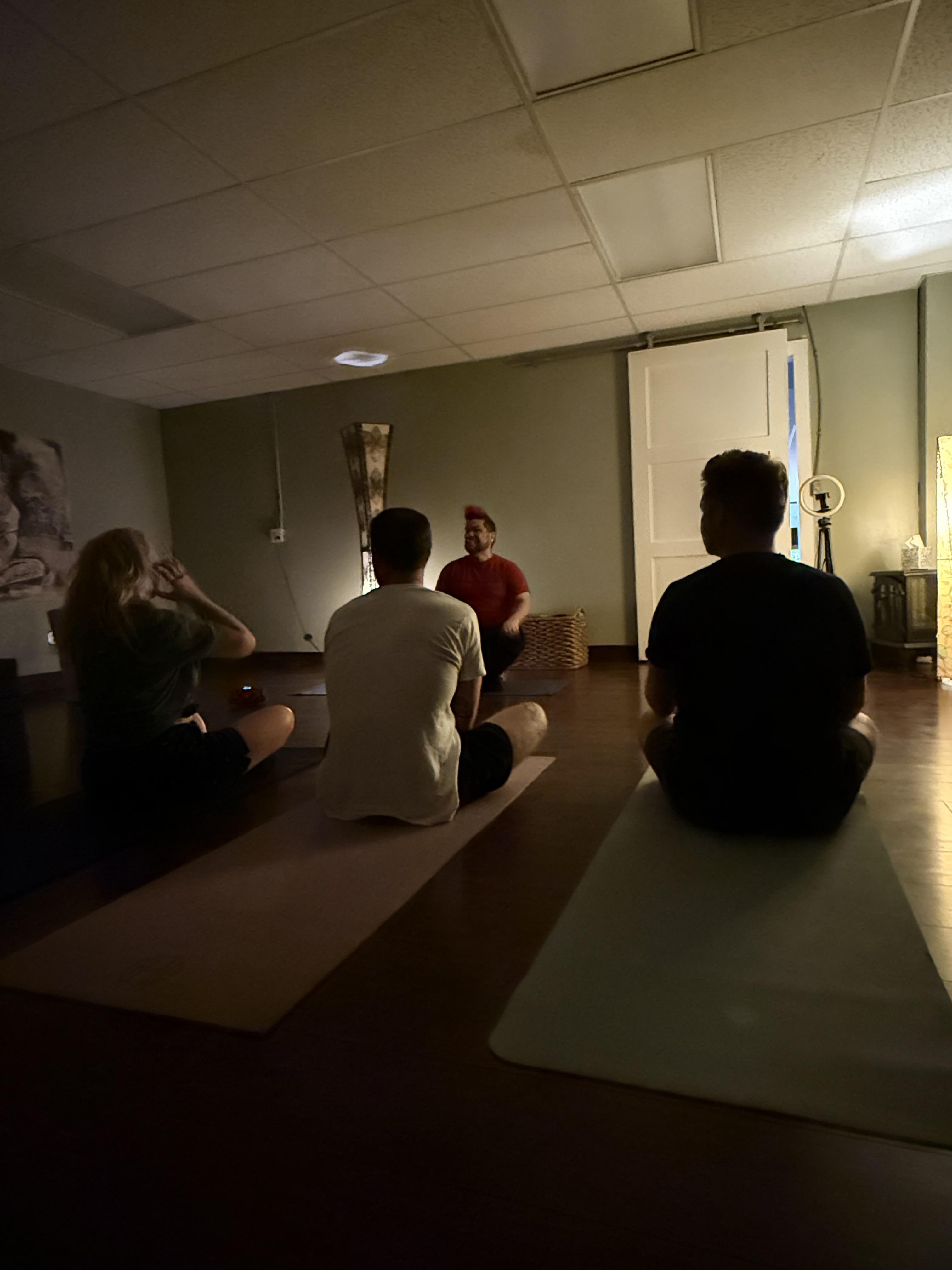
When people have a space to grieve, they also find space to breathe, regulate,
and return to themselves — and their work — more fully.
The outcome:
Improved focus and communication
Decreased absenteeism and burnout
Stronger team culture built on empathy and trust
A safe outlet for pain — so it doesn’t build up silently
Breathing Into Grief Community
A place to grieve without needing to talk about it so that you don't have to relive the pain or retell the story over and over again.
Who is this for?
You tried therapy or support groups and talking about your grief didn't fully help or just didn't help at all
You want another way to get grief out of your body without having to talk about the pain or trauma
You want to be a part of a community so that you don't have to grieve alone
You want to keep your person's memory alive so that they are not forgotten
You are ready to do the grief work
Who is this NOT for?
this is not for people who compare loses
this is not for people who only want to talk about it
this is not for people who only want to work one-to-one
this is not for people who judge or "one up" each other,
this is not for people who aren't ready or don't want do engage in grief work
The Breathing Into Grief community is a space for anyone grieving (a sibling, a friend, a grandparent, a grandchild, a parent, a child, a spouse, a veteran, a service member, an aunt, an uncle, a niece, a nephew...)
As someone who survived the car accident my sister died in, whose grandparents (dad's parents) have died, and experienced five (5) more deaths in 2024 to include people ranging from 4 months to my uncle in his late 70s...
So regardless of the person who died in your life, this is an open and welcoming space for you so that you do not have to grieve alone.
Yes, there will be times where we can talk about our person and what we miss about them (their smile, their voice, their laugh, the memories we shared).
And the main focus will be how to get grief out of the body without talking about the pain and trauma so that you can experience the love, joy, and hope you lost the day they died.
If reading this connects to you then I am excited to see you inside the community!

Founder and CEO
Hi my name is Stephen and I've been in the grief and loss for over two decades.
I have had the honor to work with people grieving the death of a service member or veteran, I've supported thousand of grieving parents, siblings, and grandparents, and I have also navigated my own grief after surviving the car accident my sister died in.
Grief is often something people do not know what to do with and that's why I am here!
I've done the work and I continue to do my work because grief isn't something that just goes away, we just learn to live with it differently.
And when a death happens in the community or in the workplace, there can often be a great amount of support that tends to disappear after a month... Only leaving someone with an additional or secondary loss.
If you decide you want to work with me, please know that 6 months is the minimum service offered because grief doesn't get better after one workshop.
Featured Speaker at:
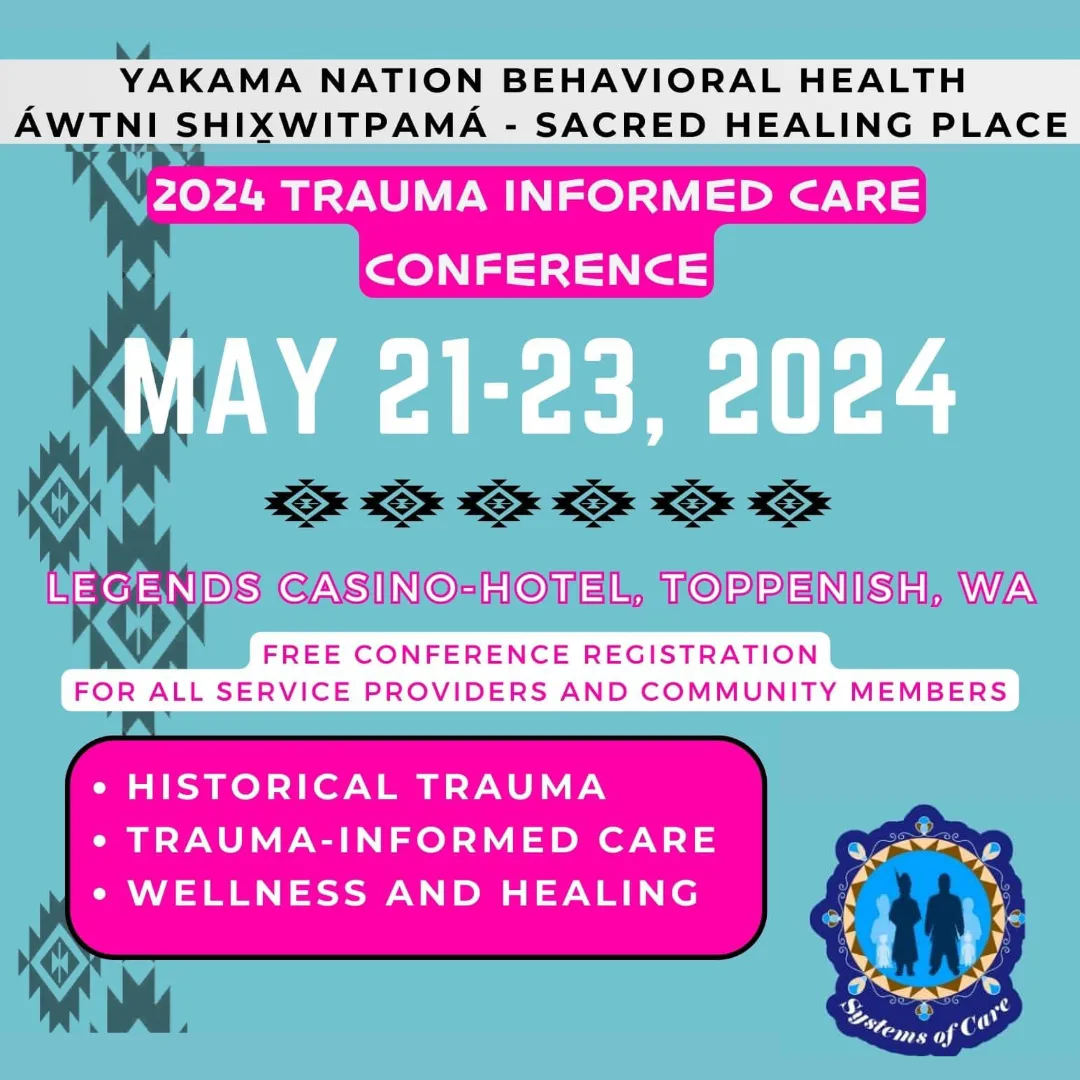
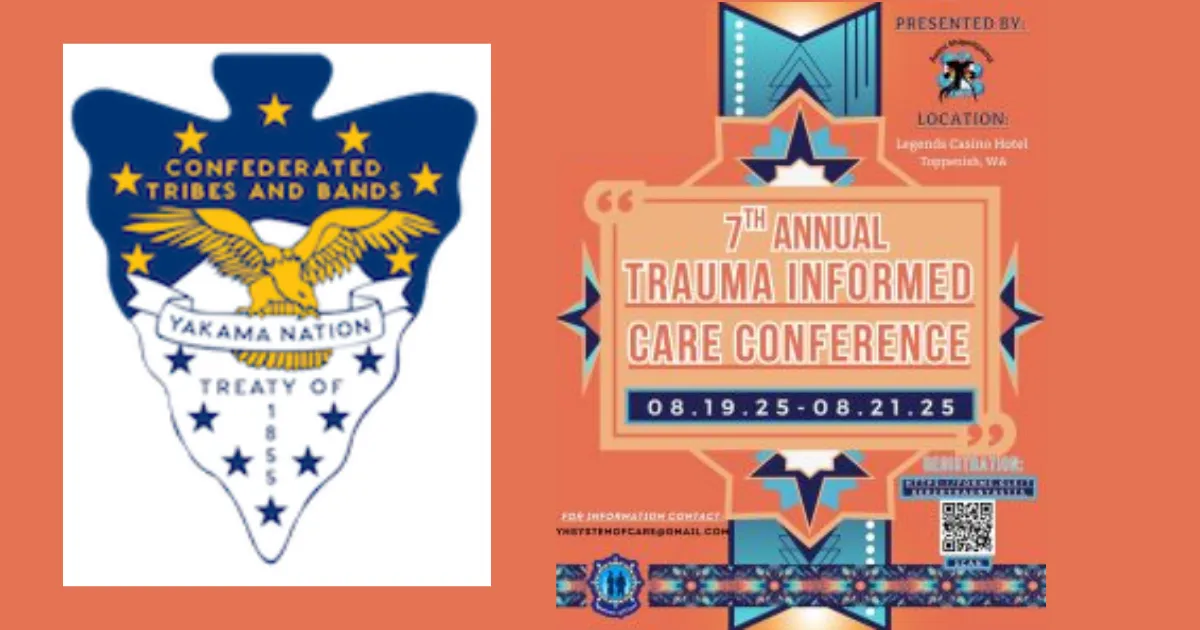
Yakama Nation
Awtnit Shixwitpama


Email: [email protected]