The Unspoken Path Community for Sibling Grief
You didn't choose to be in the dead sibling club and you didn't choose to be labelled "the forgotten mourner."
But you will become what you think you are and this community is here to change just that.
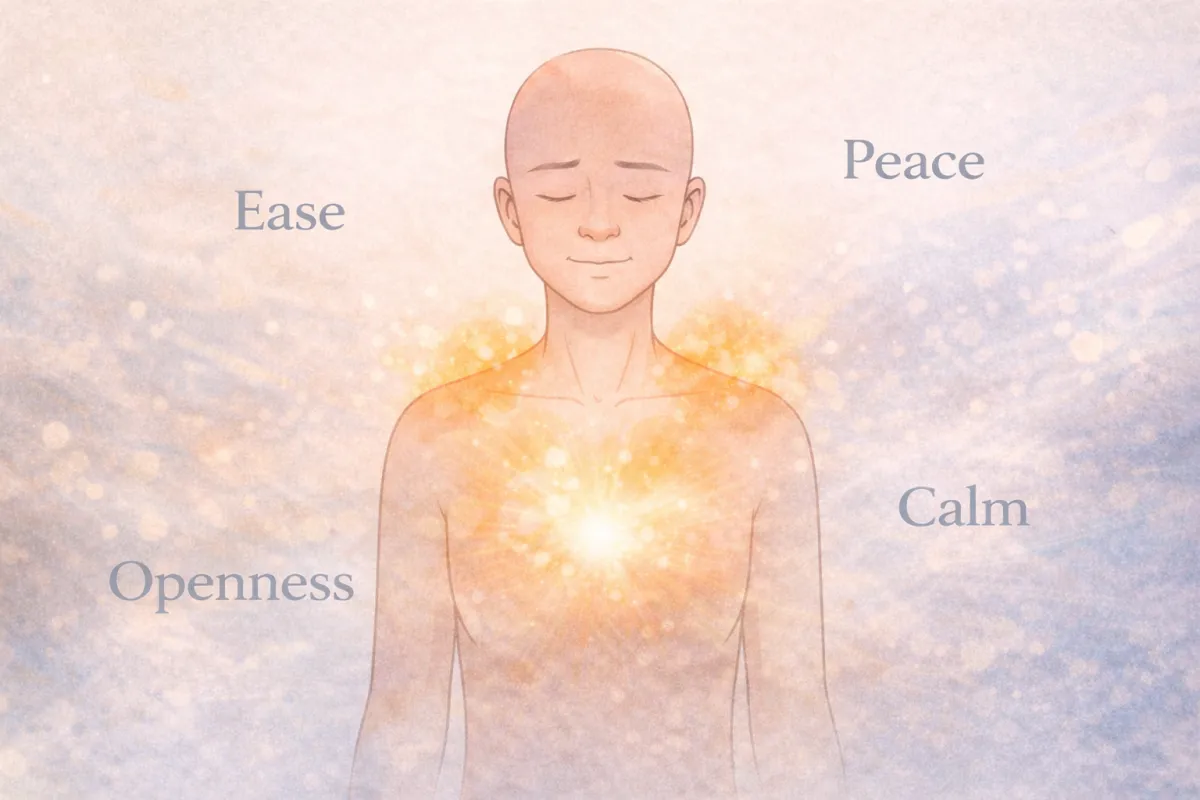
Grief lives in the mind AND the body
Talking is helpful but that only addresses the grief that lives in the mind. Maybe you...
have seen a therapist or attended a grief support group
have friends and family that support and listen to you
but you still feel the weight of grief (fatigue, tension, restless nights...) and you're not sure what else is out there that can help lighten the weight
Therapy and grief support groups are great and help so many people but they mainly focus on the mind and the story you tell.
Breathing Into Grief works with the body so that the body can express the weight of grief that the it is holding onto.
How does "breathing into grief" help?
Grief doesn’t just live in your memories—it lives in your chest, your throat, your stomach, your sleep, and your nervous system.
Breathing Into Grief helps you meet those sensations with intentional breathwork, so that grief stops running your body from the background and you can move through life with a more ease and less bracing.
You can't stop the anniversaries and holidays but you can choose to breathe into your grief so that it doesn't consume you.
You can't control the insensitive comments of others but you can take 3-5 minutes to do some breathwork so that your body goes from a tensed state of being to a relaxed state of being.
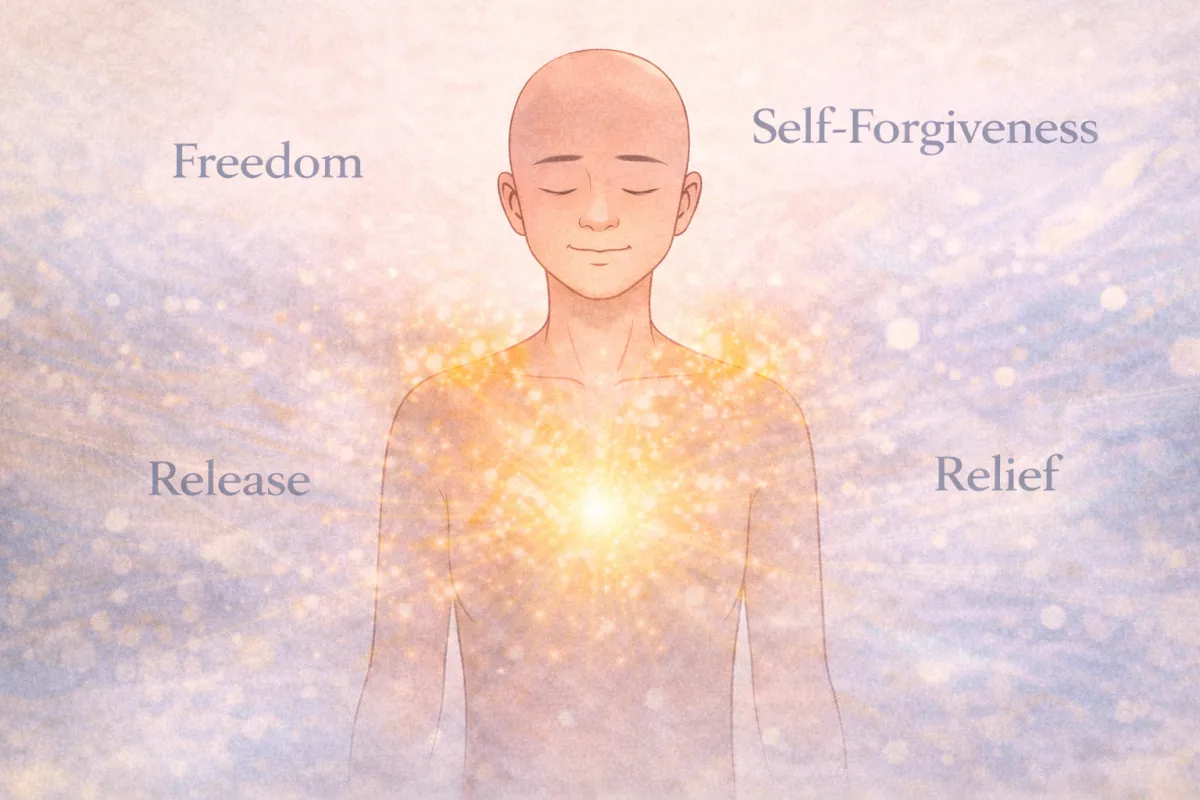
Here are two examples of how breathing into grief helped a grieving sibling and a grieving mother
Grieving Sibling Experience
After the death of my brother I guess my body was carrying more than I thought it was, and it is amazing how shifts happen every session.
I felt guilt melt away that I didn’t even know was there,
And it’s amazing that I didn’t have to say a word.
Grief is something we will all live with but working with Stephen has softened my grief.
Grieving Mother Experience
After the death of my child, my world forever changed and my health did as well.
I went to the doctors over the span of ten years because something always felt off but the tests came back negative and I was in "good" health.
That is when my doctor shared with me that the reason my body felt ill was because I was holding my breath.
I wasn't sure what to expect coming to this workshop but I'm glad I did because it reminded me to be gentle with myself and to breathe.
You are seeing this because you heard about it from Maya Roffler
and the Surviving Siblings Podcast, and for any surviving sibling that joins
The Unspoken Path Community for Sibling Grief...
will automatically get $1,000 off the 6-month program.
If you've been holding your breath, lets connect to see if
The Unspoken Path Community is right for you by clicking the button below
But what is inside The Unspoken Path Community?
Sessions will be over Zoom so that you can be in the comfort of your own home.
Every first and third Sunday of the month so that it doesn't interrupt life.
90-minute sessions so that your body has time to express the grief as well as to integrate the grief without becoming overwhelmed.
Two somatic breathwork sessions a month so that you can reset your nervous system and express the grief that gets stuck in your body.
Audio recordings so that when life happens (birthday, holiday, anniversary, or getting sick) you can watch the replay on your time.
Private online community so that you can connect with other siblings outside of sessions.
Optional: audiobook club so that we can grow personally and professionally together. without needing to be in our grief 24/7 (you can listen in anytime, anywhere - books include: Breathe by James Nestor, Atomic Habits by James Clear, The Alter Ego Effect by Todd Herman, and many more to choose from that we will decide as a group what book to listen to first.)
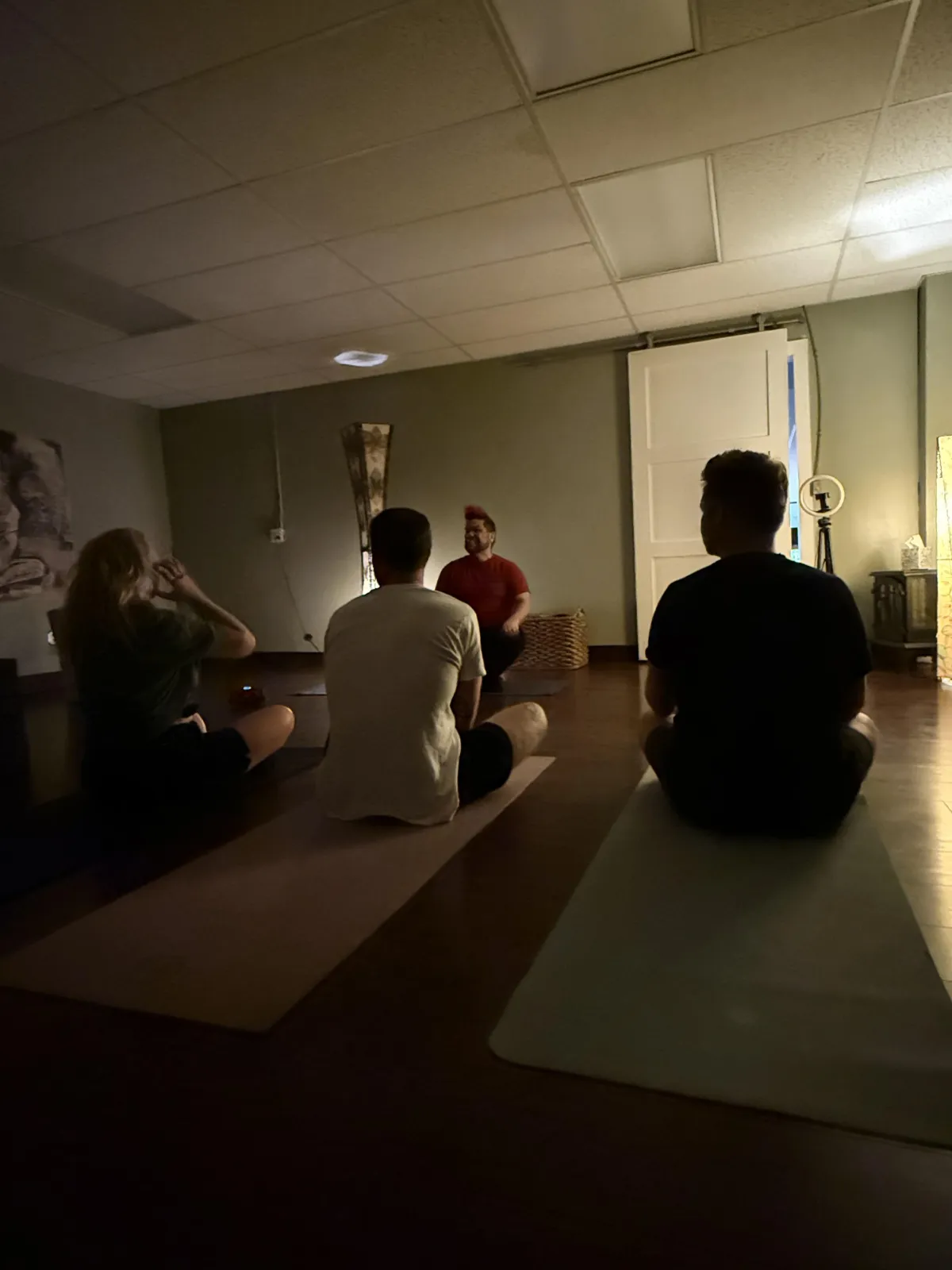
Come As You Are
In a world that pressures people to move on, get over it, or just be strong, grief often gets buried
under awkward silences
expectations to smile
the comments people don’t realize cut deep
you take care of everyone else and your grief goes unseen
Here’s the truth: grief isn’t something to fix.
It’s something to feel, honor, and move with—not by overanalyzing or bottling it up, but by learning to listen to the body so that you can loosen the grip of grief to live life in purpose and not in grief.
Dr. Gabor Mate says "Trauma is not what happens to you. Trauma happens inside of you because of what happened to you."
Breathing is something we naturally do but when you learn start intentionally breathing, you can change how you feel on the inside.
MEET THE FOUNDEr
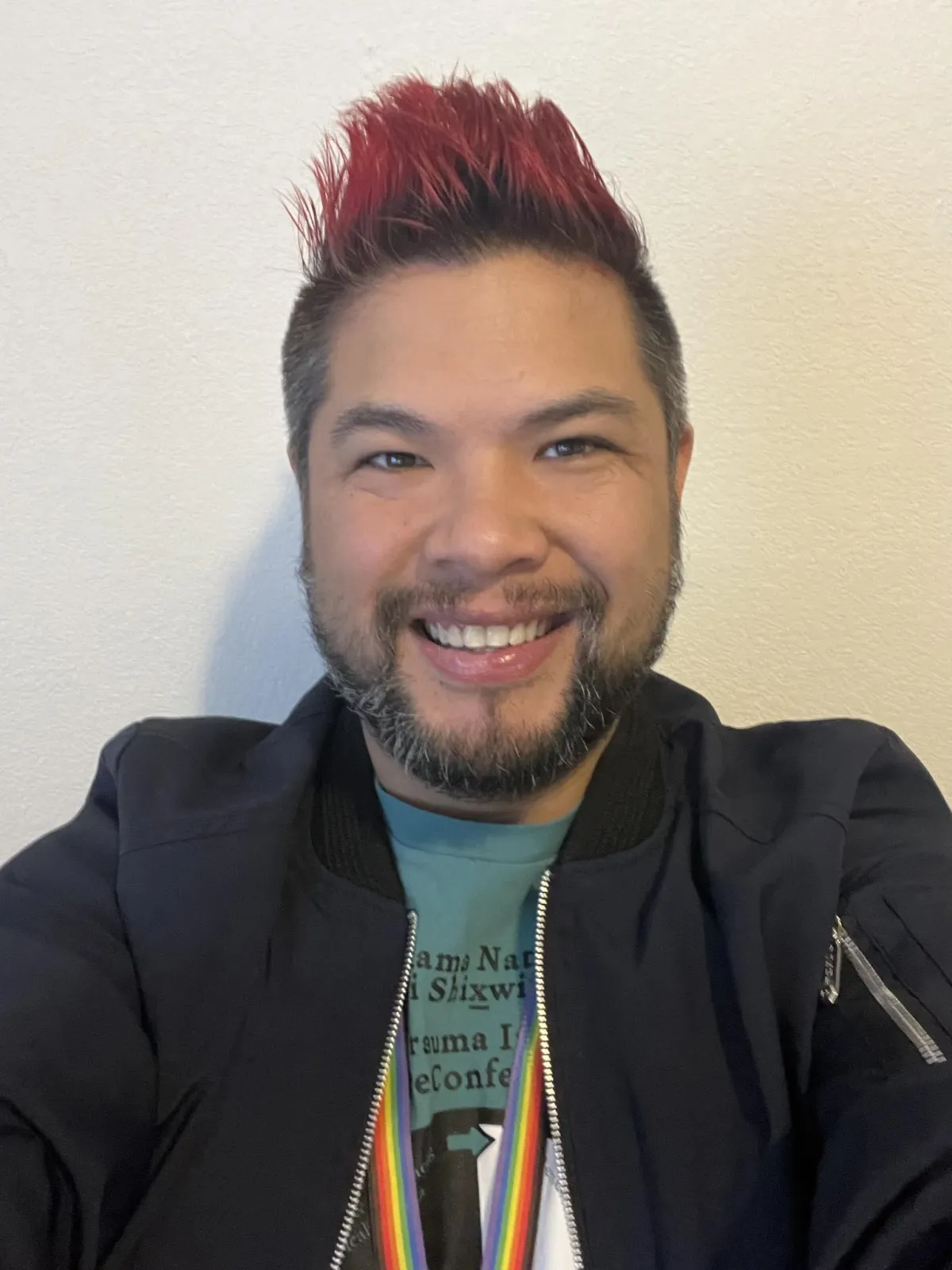
Hey, I'm Stephen!
Grief can turn your world upside down—and make you feel invisible, even when you’re surrounded by people.
After surviving the car accident my sister died in, I learned what it’s like to keep functioning while carrying a weight no one else can see.
That experience shaped the work I do now: a body-centered approach that makes room for your experience without forcing you to tell the whole story.
In this 3-part series, I’ll guide you through simple breath + grounding practices so you can meet grief where it lives—in the body—and reconnect with yourself at your pace.
If you've been holding your breath, lets connect to see if
The Unspoken Path Community for Sibling Grief is right for you by clicking the button below
Testimonials
After the death of my brother I guess my body was carrying more than I thought it was, and it is amazing how shifts happen every session. I felt guilt melt away that I didn’t even know was there, And it’s amazing that I didn’t have to say a word. Grief is something we will all live with but working with Stephen has softened my grief.

I’ve done a lot of work in therapy to better myself to the point where I now work with people as a therapist so I can help others through their trauma and life challenges. Sessions with Stephen have been amazing because it has helped my body release the trauma and grief my body was holding onto and I love that I didn’t even have to talk about it.

Hank will be missed and always loved. During my sessions, both online and in-person, it felt like Hank was with me. If you are looking to connect with your grief without talking about, I highly recommend you try a session with Stephen!

Workshop Presenter at:




Email: [email protected]